
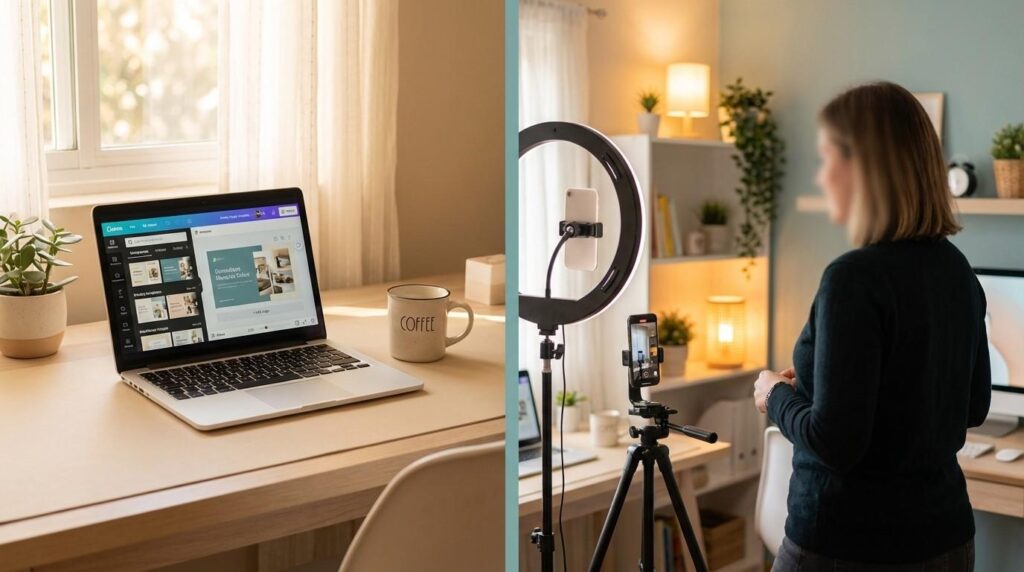
Faceless marketing vs personal brand — which path actually makes sense for a busy parent who wants to build online income?
In fact, it’s the question every new creator wrestles with. Especially busy parents who barely have 30 minutes to spare.
The truth is… the debate around faceless marketing vs personal brand isn’t about which one is “better.” It’s about which one fits your life. Your goals. Your comfort zone. And your schedule.
Because here’s what nobody tells you — both paths can work. Both can make money. And either one can grow a real audience.
But they work differently. And choosing the wrong one for your situation can waste months of effort.
So let’s break this down — honestly, clearly, and without the hype.
By the end of this post, you’ll know exactly which path is right for you.
Table of Contents
– What Is a Personal Brand (And Why Does Everyone Say to Build One?)
– What Is Faceless Marketing (And Why Is It Exploding?)
– The Honest Pros and Cons — Side by Side
– Should I Show My Face on Instagram? (3 Questions to Decide)
– Can You Switch From Personal to Faceless Later?
– Which One Fits YOUR Life as a Busy Parent?
– Your Next Step — Start Without the Stress
What Is a Personal Brand (And Why Does Everyone Tell You to Build One)?

A personal brand is built around you. Your face. Your name. Everything from your story to your personality becomes the brand.
Think of creators who film themselves talking to the camera, share their daily routines, and build an audience that follows them — not just their content.
For example, when you follow a fitness influencer because you like their energy and style — that’s a personal brand at work.
Here’s why it’s popular:
- Trust builds fast. People connect with faces. After all, seeing a real person creates an emotional bond that’s hard to replicate with graphics alone.
- Higher engagement. According to HubSpot’s marketing research, content featuring real people often generates stronger engagement signals — especially on platforms like Instagram and TikTok.
- Easier brand deals. Sponsors love a face they can attach to their product. Personal brands tend to attract partnerships faster.
However, personal brands come with a cost most people don’t talk about.
Essentially, you become the product. Your energy. Your appearance. Your daily life. It all becomes content.
As a result, many parents burn out trying to maintain a personal brand while juggling family life. The camera never stops demanding your attention.
A personal brand can be powerful. But it requires you to always show up — and that’s not always realistic.
What Is Faceless Marketing (And Why Is It Exploding)?
Faceless marketing flips the script entirely.
Instead of building around you, you build around value. Your content is the star. Not your face.
Faceless content creators use text graphics, stock photos with overlays, screen recordings, voiceovers, carousel posts, and Reels without ever stepping in front of a camera.
In other words, the audience follows the message — not the messenger.
What’s more, it’s growing fast. The hashtag #facelessmarketing has passed 290,000+ posts on Instagram alone. Faceless accounts in niches like finance, motivation, parenting, and digital marketing are gaining thousands of followers with zero face exposure.
Why? Because the algorithm doesn’t care about your face. It cares about saves, shares, and watch time. If your content delivers value, Instagram pushes it. Period.
Similarly, faceless brands are easier to scale. You’re not limited by your own camera time. You can batch-create a week of content in 30 minutes using Canva. You can even outsource content creation someday — because the brand doesn’t depend on your physical presence.
If you’re new to this concept, our guide on the best faceless marketing niches for beginners breaks down the 7 most profitable niches you can start today.
Faceless marketing lets you build an income stream without becoming a public figure. That’s a game-changer for parents.
Faceless Marketing vs Personal Brand — The Honest Pros and Cons
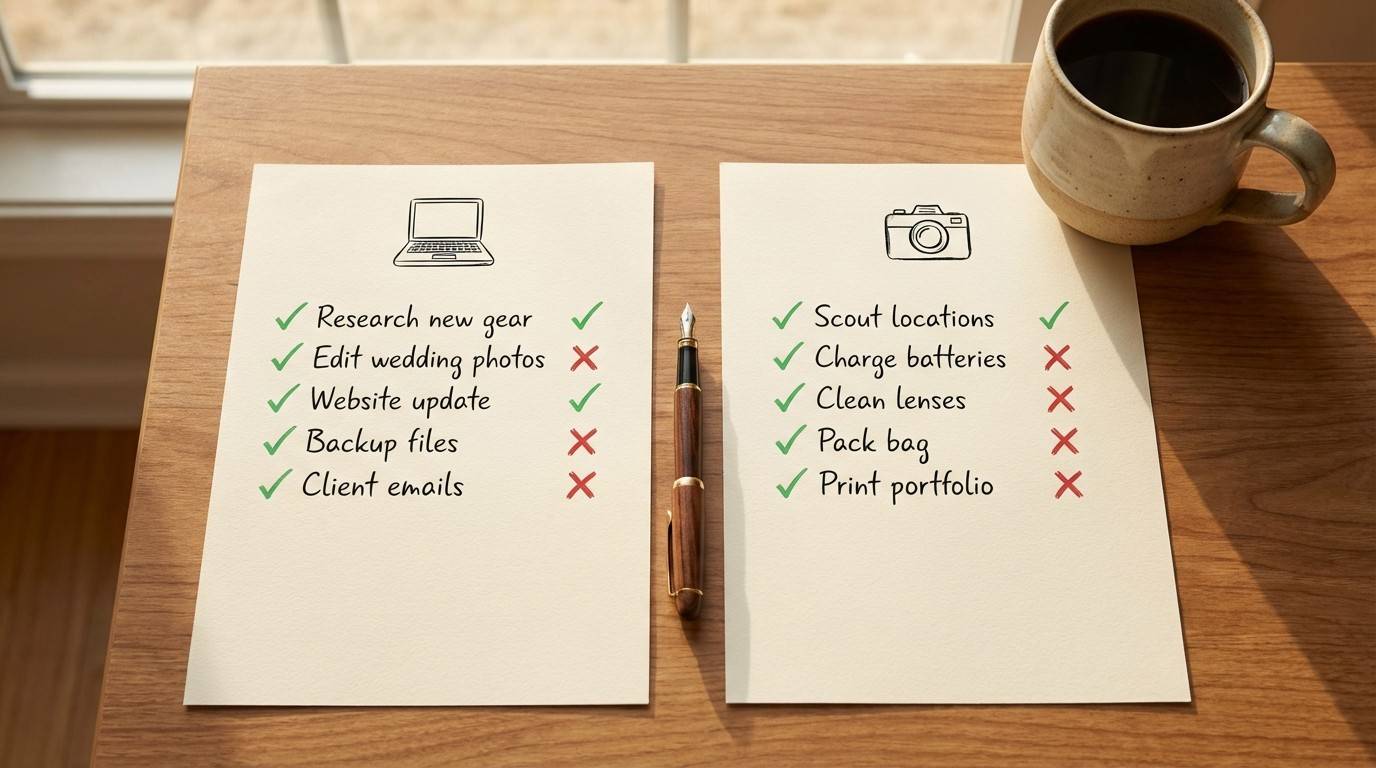
Let’s lay it all out. No sugarcoating.
Personal Brand — Pros:
- Trust and connection build quickly
- Easier to land sponsorships and brand deals
- Your personality becomes your competitive advantage
- Higher conversion rates on video-first platforms
Personal Brand — Cons:
- Requires consistent on-camera time (filming, editing, posting)
- Privacy disappears — your audience knows your face, your home, your routine
- Hard to sell or step away from — the brand is you
- Camera anxiety is real and it slows many creators down
Faceless Brand — Pros:
- Complete privacy — your boss, your neighbors, nobody needs to know
- Content is batch-friendly — create a full week in one 30-minute session
- Scalable — you can hire help, run multiple accounts, or sell the brand someday
- No camera anxiety, no hair and makeup, no filming setup
Faceless Brand — Cons:
- Trust takes longer to build without a face
- Content quality has to be excellent — there’s no personality to carry weak posts
- Sponsored deals may be slower to come (but they do come)
- Requires strong visual branding and consistency to stand out
The truth is… neither model is perfect. Both require effort. Both require consistency.
But one of them will fit your life significantly better than the other.
The right choice isn’t about what’s trendy. It’s about what’s sustainable for you
Should I Show My Face on Instagram? (3 Questions to Decide)

This is the question that keeps people stuck for weeks. So let’s make it simple.
Ask yourself three things:
Question 1: Do I have 30+ minutes a day for filming and editing?
Personal brands require on-camera content. That means filming, re-filming, editing, adding captions, and posting. Realistically, that’s 45-60 minutes per piece of content.
Faceless content? A batch of 5-7 posts takes about 30 minutes total in Canva. No lighting. No retakes.
If your free time is measured in naptime windows, faceless is your lane.
Question 2: Am I comfortable with my audience knowing my identity?
Once your face is online, it stays online. Your coworkers might find it. Your kids’ friends’ parents might see it. There’s no going back.
For many parents, privacy isn’t a preference — it’s a priority. Faceless marketing protects that.
On the other hand, if you’re naturally outgoing and energized by connection, a personal brand might feel like a natural extension of who you already are.
Question 3: Do I want to build something I can eventually step away from?
Here’s the question most people forget to ask.
A personal brand is hard to sell. It’s you. If you stop showing up, the brand fades.
A faceless brand is an asset. It can be sold, handed off, or automated. It exists independently of your presence.
Therefore, if your long-term goal is building something that runs without you — faceless marketing is the stronger foundation.
Your answers to these three questions tell you everything you need to know.
Can You Switch From Personal to Faceless (or Vice Versa)?
Absolutely. In the faceless marketing vs personal brand debate, it’s easier to start faceless and add your face later than the other way around.
Specifically, starting faceless gives you room to test. You figure out your niche, your content style, your audience — all without the pressure of being on camera. If you later decide to reveal yourself, you can. Your audience will already trust your content.
Going the other direction — transitioning from a personal brand to a faceless one — is trickier. Your audience followed you. Removing yourself from the equation can feel jarring and cause a dip in engagement.
In fact, one creator shared on Passionfroot that she struggled to sell her blog because there was too much of her personal identity tied into it. A faceless brand from the start would have been far easier to transfer.
Above all, don’t let this decision paralyze you. Starting is more important than starting perfectly.
Faceless first, reveal later — that’s the lowest-risk path for busy parents.
Faceless Marketing vs Personal Brand — Which Fits YOUR Life?
With that in mind, let’s get specific. Because your situation is unique.
Choose faceless marketing if:
- You have 30 minutes or less per day for content creation
- You value privacy for yourself and your family
- Camera anxiety holds you back from starting
- You want a brand you can scale, outsource, or sell someday
- You prefer systems over spotlight
Choose a personal brand if:
- You’re naturally comfortable on camera and enjoy it
- You have 1-2 hours daily for filming and engaging
- You want to build a coaching, speaking, or consulting business around you
- You’re not concerned about privacy online
- Connection and community energize you
For most busy parents weighing faceless marketing vs personal brand — especially those just starting out — the faceless path is more realistic. Not because it’s easier, but because it respects your time.
Our post on passive income ideas for busy parents covers several strategies that pair perfectly with the faceless approach — including digital products, affiliate marketing, and print on demand.
Take dropshipping — you can run an entire store without ever showing your face. The product does the talking, not your personality.
The best strategy is the one you’ll actually stick with. Every single week.
Made Your Choice? Here's How to Start Today
Here’s what I want you to walk away with today.
Ultimately, the debate around faceless marketing vs personal brand doesn’t have a universal winner. It has a personal winner. And that winner depends on your time, your comfort level, and your goals.
But if you’ve read this far and the faceless path is calling your name — don’t just think about it. Take the first step.
Specifically, start here:
- Tonight (15 minutes): Read through our free guide and pick your niche.
- Tomorrow (15 minutes): Set up a faceless Instagram account — username, bio, profile photo.
- This weekend (30 minutes): Create your first 3 posts in Canva and schedule them.
That’s it. Three days. One hour total. And you’ve got a faceless brand that’s live and moving.
If you want to learn how to grow that account specifically, our guide on how to start a faceless Instagram account and make money covers the full playbook — from content creation to monetization.
Ready to go faceless? Start with the free guide:
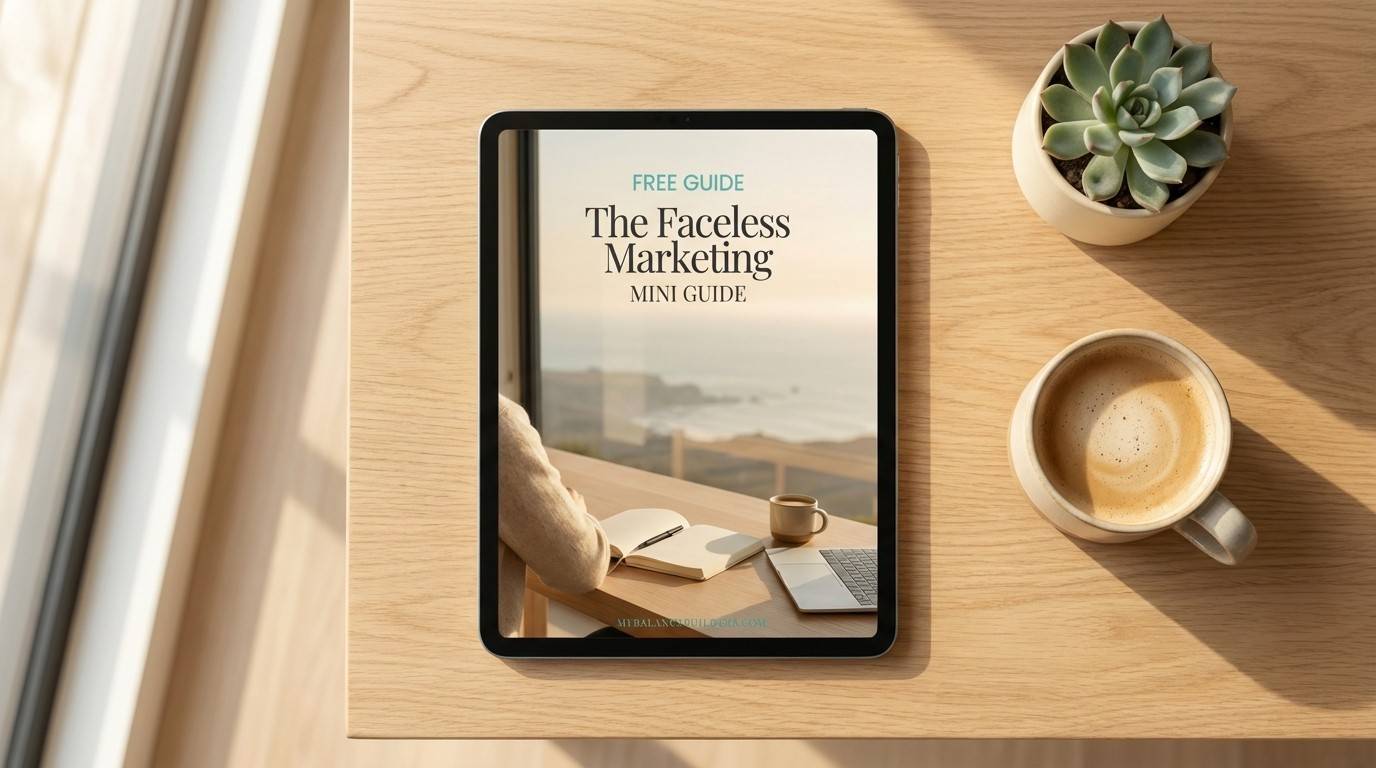
Our Faceless Marketing Mini Guide walks you through everything — what faceless marketing is, the 7 best niches for busy parents, and a 30-minute quick start plan for your first week.
It’s free. No fluff. Just the roadmap.
And when you’re ready for the complete system — content strategies, platform playbooks, monetization blueprints, and growth frameworks — The Ultimate Faceless Marketing Guide has everything in one place.
Everything you want exists on the other side of fear.
No hype. No burnout. Just balance.